
A good-looking bathroom can still suffer from condensation. The extractor fan, heating and airflow all need to work together.
Find out where the moisture comes from
Condensation forms when moisture in the air meets a cooler surface. In a bathroom, you may notice it on a window, mirror or colder wall after washing. A damp patch is not automatically condensation, however. A leak, damaged joint or another building problem can look similar and needs a different repair.
Note when the moisture appears, where it starts and whether it dries between uses. Photographs taken over several days can help explain the pattern. If a patch stays wet, grows or appears away from normal splashes, arrange an inspection. Painting over it or fitting a new panel can hide the evidence without dealing with the cause.
Check that the extractor removes air outside
A bathroom fan needs a suitable route for damp air to leave the building. The visible grille does not show the condition or arrangement of the duct behind it. When planning a refit, ask the installer to check the full route and explain any changes needed, rather than judging the fan only by its appearance or noise.
The product and installation should suit the room. A timer or moisture sensor may be useful, but the right control depends on the system and how the bathroom is used. Ask how it will operate during and after a shower. Keep the instructions so its normal settings are understood instead of being switched off because they seem unclear.
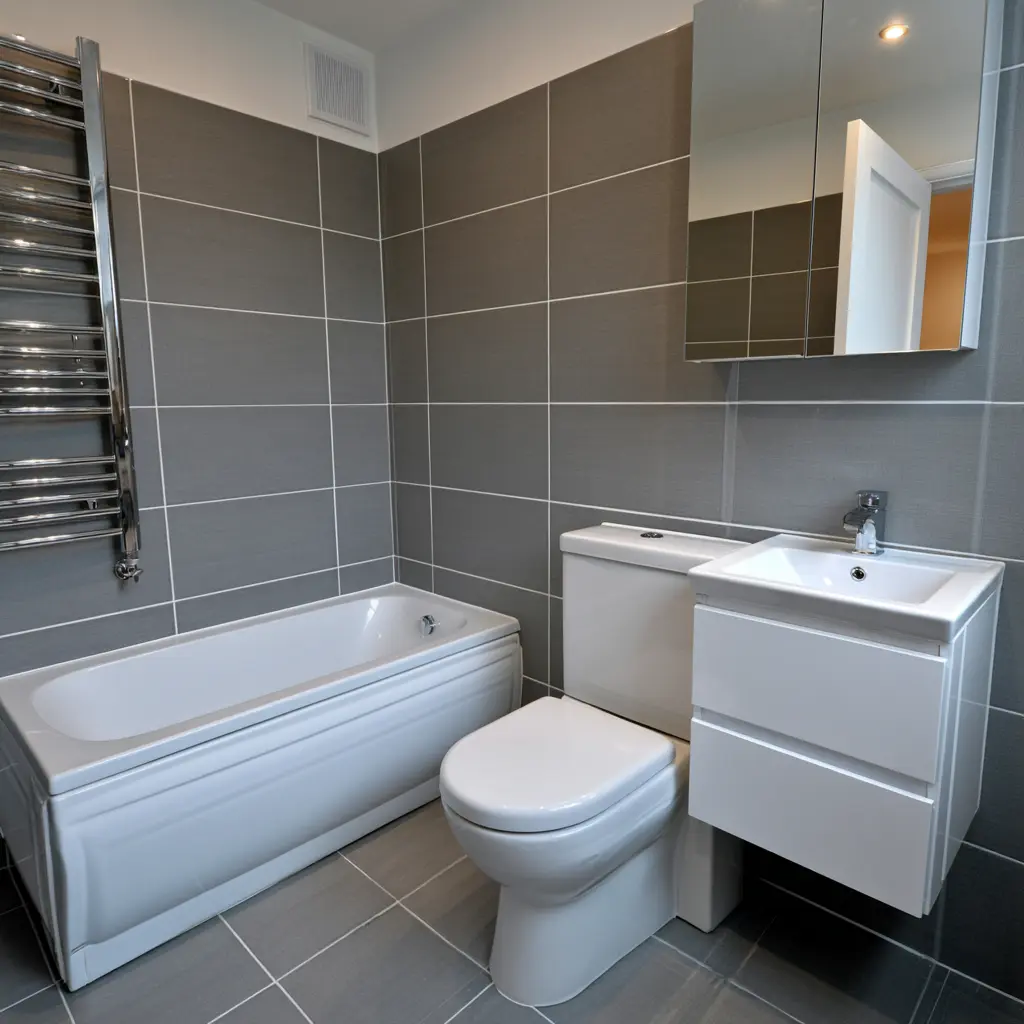
Keep air routes and maintenance access clear
Air leaving through the fan needs replacement air to enter the room. Doors, vents and other parts of the ventilation arrangement can affect that flow. Ask the installer to check the complete setup; do not block a planned opening simply to make the room feel warmer or quieter.
The fan also needs cleaning and maintenance according to its instructions. Keep access to its cover and any serviceable parts. Dust on an accessible grille may be straightforward to remove as directed, but electrical work belongs with a competent professional. Do not dismantle an unfamiliar fan or reach into it while it is powered.
Plan heating without relying on it alone
Heating can help make the room comfortable, but a warm bathroom still needs moisture removed. Ask whether the selected radiator or towel rail provides the required room heat. A rail chosen mainly for its appearance may not be suitable as the only heater. Compare the actual output and system arrangement before ordering.
Understand the controls and operating times. If the towel rail only works with the central heating, it may behave differently outside the heating season. Discuss what you need rather than assuming it will be warm whenever towels are wet. Avoid bringing an ordinary portable electric heater into the bathroom to solve a heating problem.
Reduce standing water after washing
Wipe up water that collects on furniture edges or the floor, following the care instructions for each surface. Let towels hang without being packed tightly together. Keep shower shelves tidy so bottles do not conceal areas that remain wet. These simple habits support the room's ventilation and make persistent problems easier to notice.
A shower screen or door should manage ordinary splashes, but its position and seals need checking if water regularly reaches outside the shower area. Tell the installer where it happens. A larger mat is not a repair for an unsuitable screen, leaking joint or drainage problem that keeps wetting the same part of the floor.
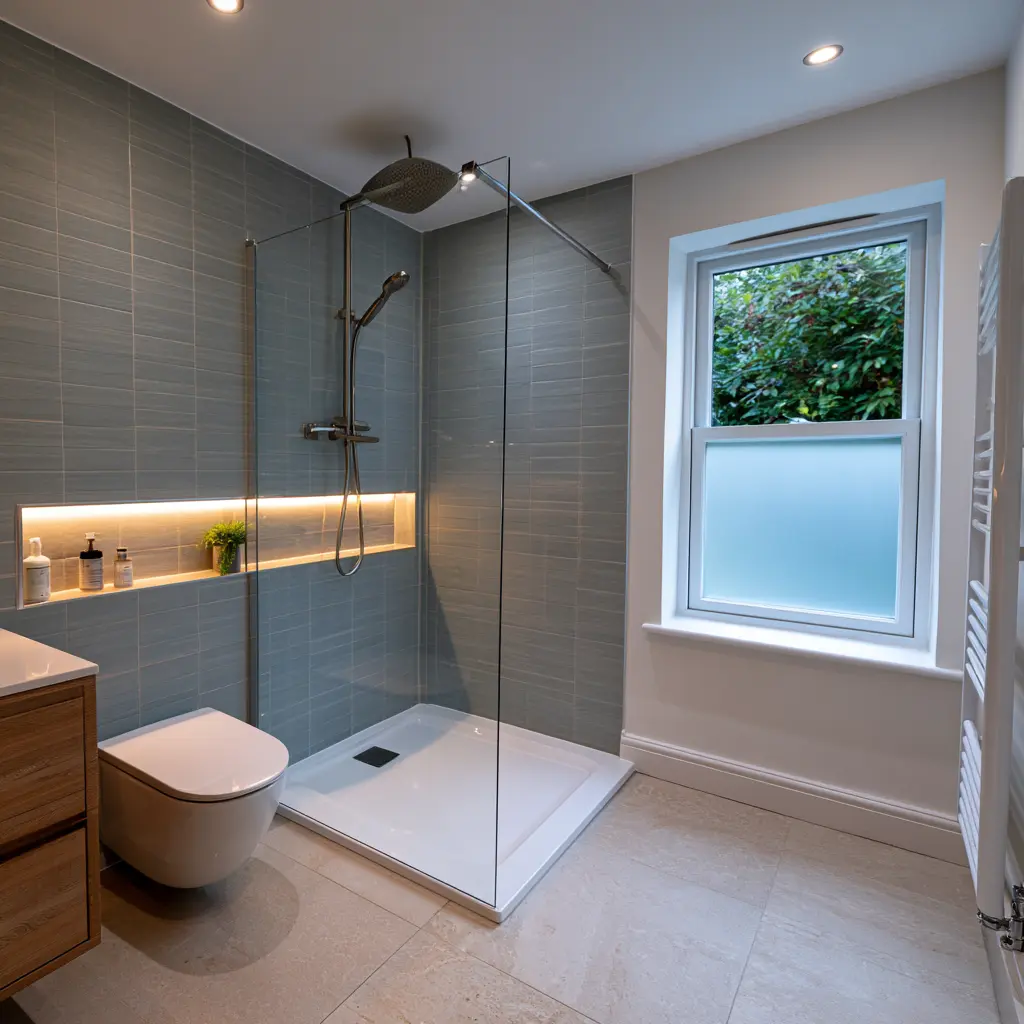
Choose finishes for their actual position
Bathroom panels, tiles, flooring and furniture have different fitting and care requirements. A water-resistant face does not make every edge or joint waterproof. Ask how the complete installation protects the wall and floor, particularly around the tray, bath, window and pipe openings. Follow the instructions for the exact products fitted.
Do not choose a finish solely because it is advertised as easy to clean. Consider whether you can reach its joints and edges and whether the household can follow its care routine. A material may tolerate normal splashes but still be unsuitable for prolonged standing water or an incorrectly sealed wet area.
Include ventilation in the bathroom plan
During a home appointment, explain any condensation, persistent odour or previous damp repairs. Ask for the fan, duct route, heating and relevant electrical work to be included in the written plan. If the cause needs further investigation, deal with that before closing the wall or ordering a finish intended to cover it.
Our bathroom renovation service brings the room's fittings and installation together. The aim is a bathroom that is comfortable to use and can dry between uses, with controls you understand and surfaces you can care for. Keep the instructions and report continuing moisture problems rather than assuming that new finishes have solved everything underneath them.
For help with your bathroom, see our bathroom renovations page. Related guide: Bathroom Ideas for Aberdeen Granite Tenements
Electrical Safety First’s bathroom advice explains why suitable equipment and professional electrical installation matter in wet conditions.
Every room is different. A measured home appointment is the best way to turn general advice into a design and quote for your room.
Book your home appointment