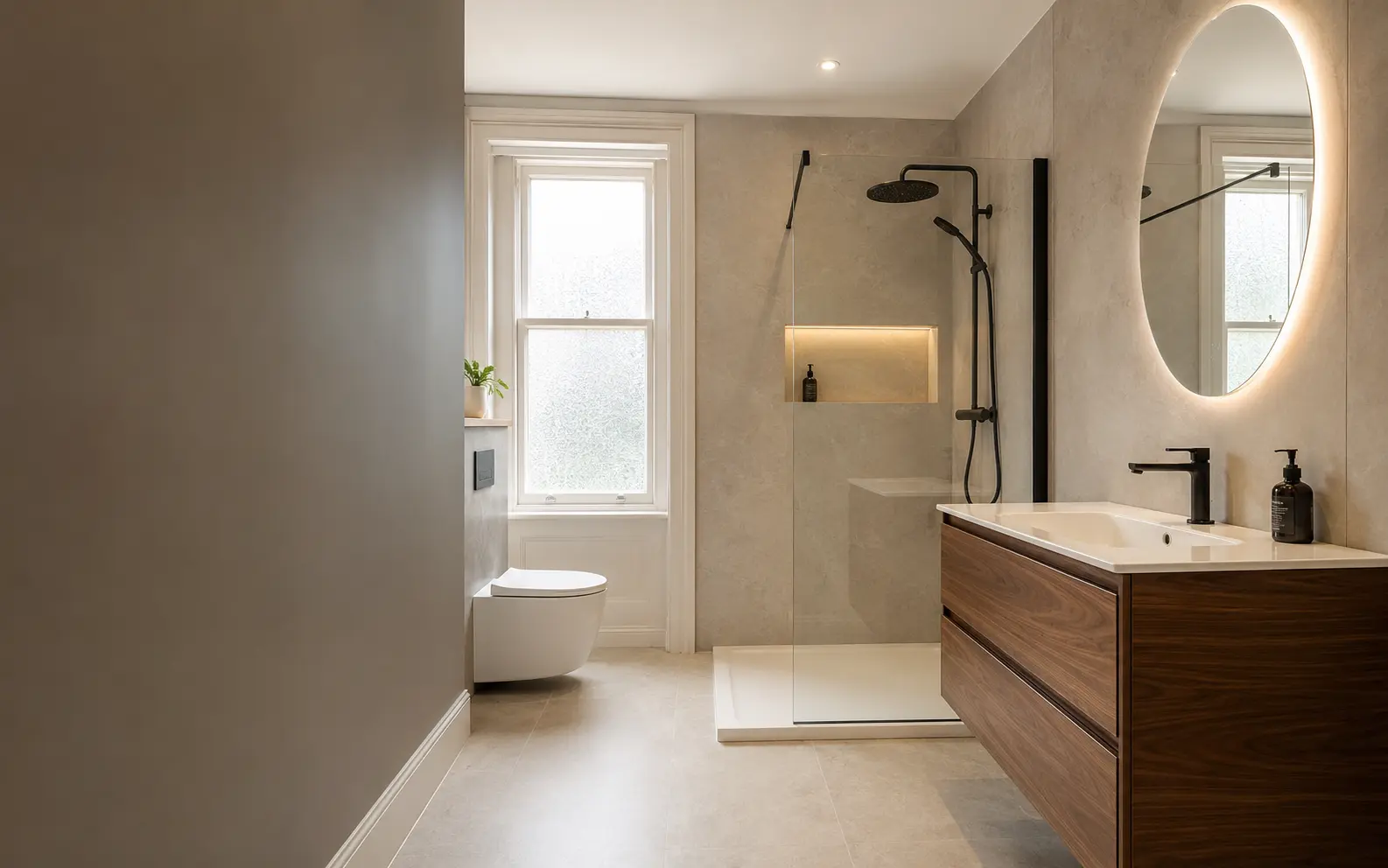
Every bathroom takes a different amount of time. A simple replacement is quicker than a room that needs pipe changes, repairs or extra drying time.
Ask for the schedule for your room
Bathroom fitting time depends on the agreed work, the condition of the room and the products being installed. Replacing fittings in similar positions is different from changing drainage, repairing a floor or building a wet room. A useful schedule explains the stages of your job instead of giving one fixed number for every bathroom.
During the home appointment, explain whether this is your only toilet or washing space. Tell us about any date you are working towards, but allow the installer to check the practical sequence before agreeing it. The aim is a timetable you can plan around, with a clear explanation of what could change it.
Settle products before removal begins
A bathroom cannot be finished smoothly if key items remain undecided. Confirm the bath or shower, toilet, basin, furniture, wall finish and flooring before the fitting period. Smaller items such as valves, wastes, trims and screen parts also need checking. A main product arriving on time is not enough if a necessary part is missing.
Ask who checks deliveries, stores them and deals with damage or incorrect items. If you supply anything yourself, agree when it must arrive and who confirms its suitability. Avoid making a late substitution based only on appearance. Different dimensions or connections can affect work that has already been planned or completed.
Understand the removal and inspection stage
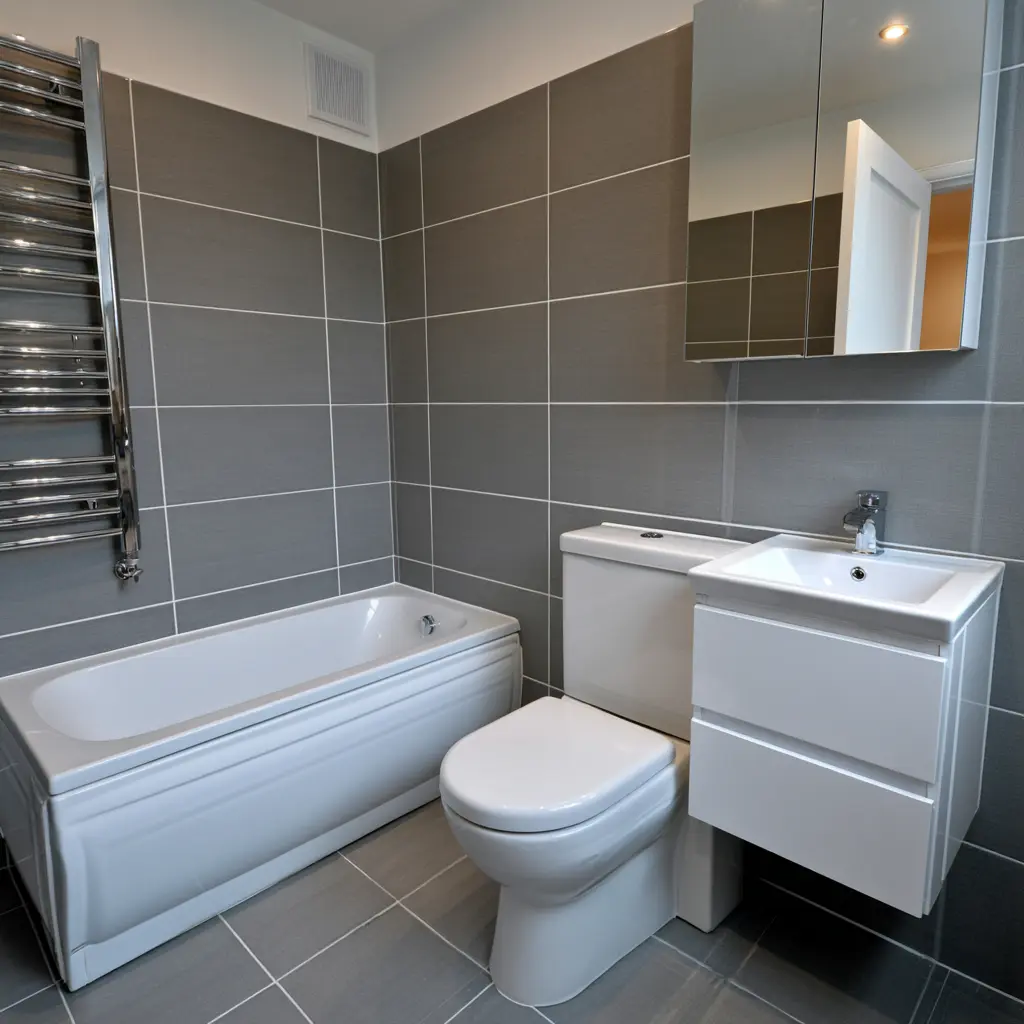
The team first needs safe access and arrangements for protecting the route through the home. Old fittings and finishes are removed according to the agreed plan. This can reveal conditions that were hidden during the survey, such as damaged boards, damp plaster or previous pipework that needs attention before new products are fitted.
Ask how findings will be explained and how extra work would be approved. A repair may affect both cost and timing. It is better to understand the reason and updated plan than to rush ahead and cover a problem simply to keep an original date. Keep important changes recorded with the quote.
Allow time for preparation and first connections
Plumbing, electrical changes and wall or floor preparation happen before much of the visible bathroom appears. The exact order depends on the installation. Pipes and cables may need checking before surfaces are closed, and suitable support may be needed for screens, furniture or support rails.
This stage can look slow because many improvements will later be hidden. Ask which checks are made before the next layer is fitted. New panels or tiles need a sound surface beneath them, and waterproofing systems have their own instructions. A tidy surface cannot compensate for preparation that was skipped to save a day.
Follow fitting and drying requirements
The wall and floor finishes, main fittings and accessories are installed in the planned sequence. Some products need time before the next stage or before exposure to water. Adhesive, grout, sealant and other materials should be used according to their instructions. A shower that looks complete may still need to remain unused.
Ask when each part of the room can be used, especially if the toilet becomes available before the shower. Do not assume that permission to use one fitting means the whole bathroom is ready. Keep the team's access and working areas clear while finishing continues so remaining checks and repairs can be completed properly.
Plan household arrangements around the work
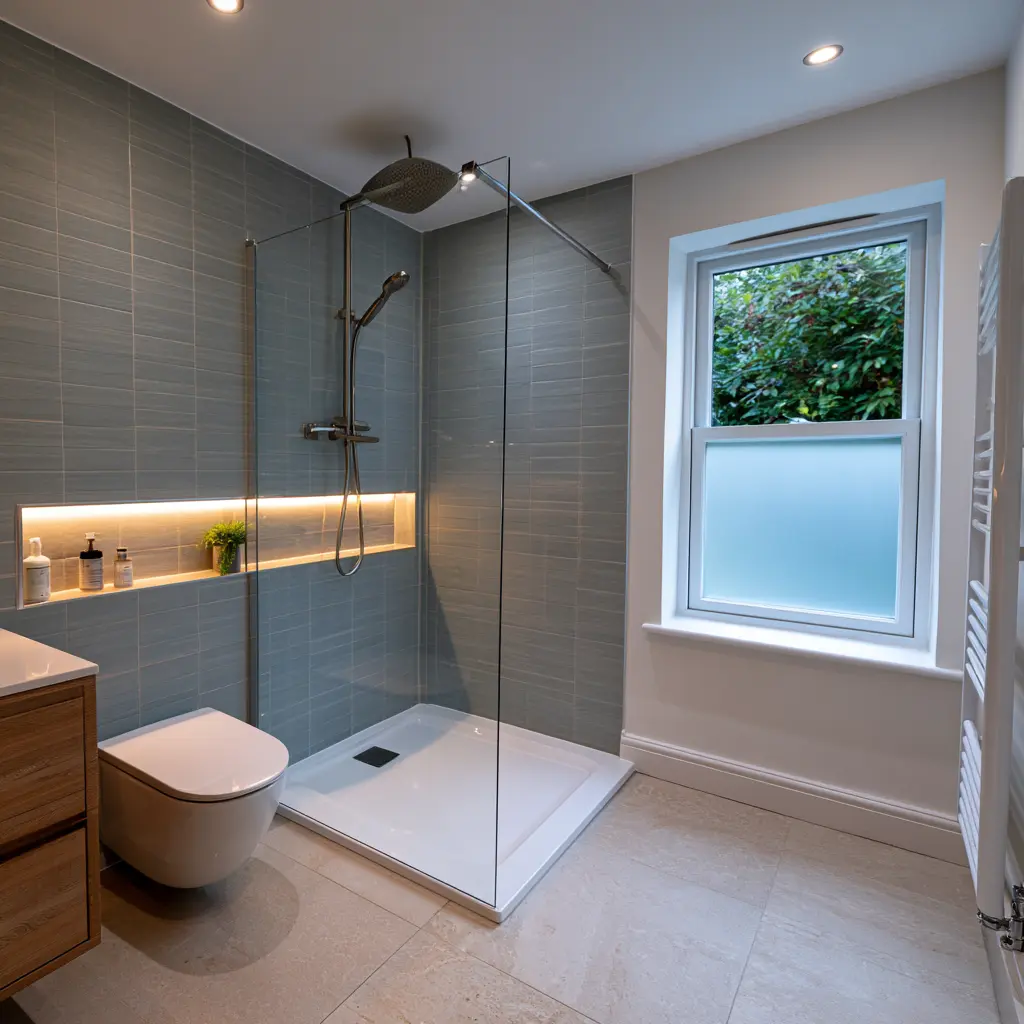
Agree when water may be off and whether the team needs access to another room or cupboard. Remove personal items from the bathroom and decide where towels, toiletries and medicines will be kept temporarily. If pets or children are at home, discuss how the work area will remain separate from their normal movement.
Deliveries, parking and waste collection can also affect the day. In a flat, include shared entrances and stairs in the access plan. Tell the installer about restrictions early rather than after the work begins. A brief daily update can help you understand what has finished and what access will be needed next.
Leave time for handover
The final stage should include checking the fittings and explaining normal use. Try taps, shower controls, lights, heating and the extractor fan with the installer present. Ask how to clean the products, when new seals can get wet and how to report a problem. Keep the product and relevant installation documents together.
Our bathroom renovation service coordinates the agreed design, supply and fitting. Ask for the proposed sequence with your quote, including the likely period without essential facilities and how changes will be communicated. Planning around the real work is more useful than choosing the shortest advertised timetable and discovering its exclusions after your old bathroom has been removed.
For help with your bathroom, see our bathroom renovations page. Related guide: What Is Included in a Fully Fitted Bathroom?
Every room is different. A measured home appointment is the best way to turn general advice into a design and quote for your room.
Book your home appointment