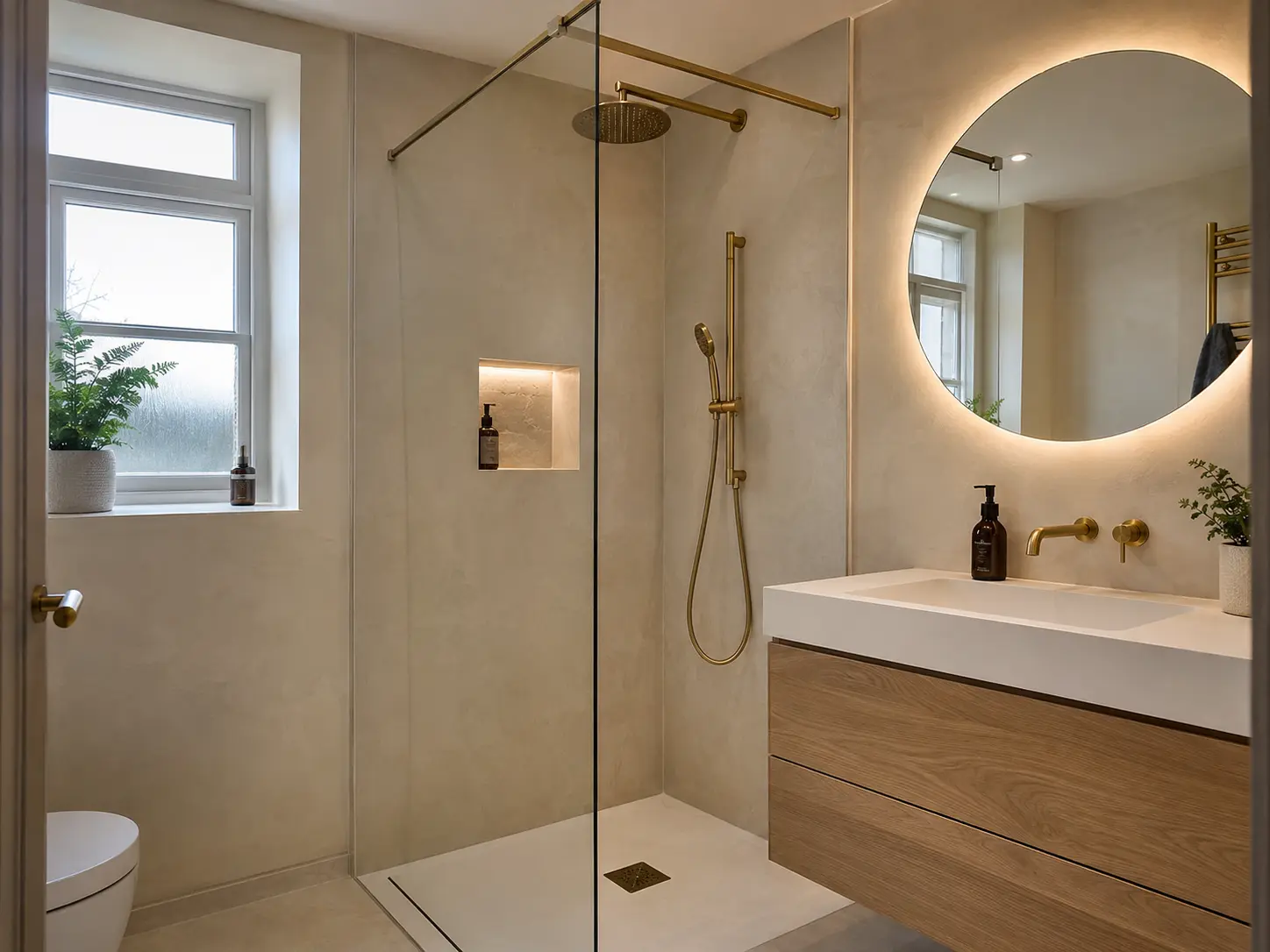
“Fully fitted” should mean the whole job, but companies may include different things. Always compare each written quote line by line.
Begin with the agreed layout
A fully fitted bathroom quote should explain both the products and the work. The phrase on its own is not a detailed list. Before agreeing a price, make sure the plan shows where the bath or shower, toilet, basin and storage will go, with enough room to open doors and use each fitting comfortably.
Check what happens to anything you intend to keep. An existing radiator, window or cabinet may affect the new layout. Keeping it does not necessarily mean leaving it untouched during removal and fitting. Ask whether it needs protecting, disconnecting or refitting, and make those arrangements part of the agreed work.
Check every main product
Look for the bath or tray, screen, shower controls, toilet, basin, vanity and taps by name or model. A broad description such as white suite may leave too much undecided. Colours, dimensions and fitting methods matter because a substitute can change the way the room looks or how much space remains.
The smaller parts matter too. Bath panels, plug and drain fittings, support frames, valves and screen handles may be supplied separately. Ask who checks that the complete set is available. Where you supply a product yourself, agree who deals with missing parts, delivery damage and compatibility before it is needed on site.
Include removal and protection
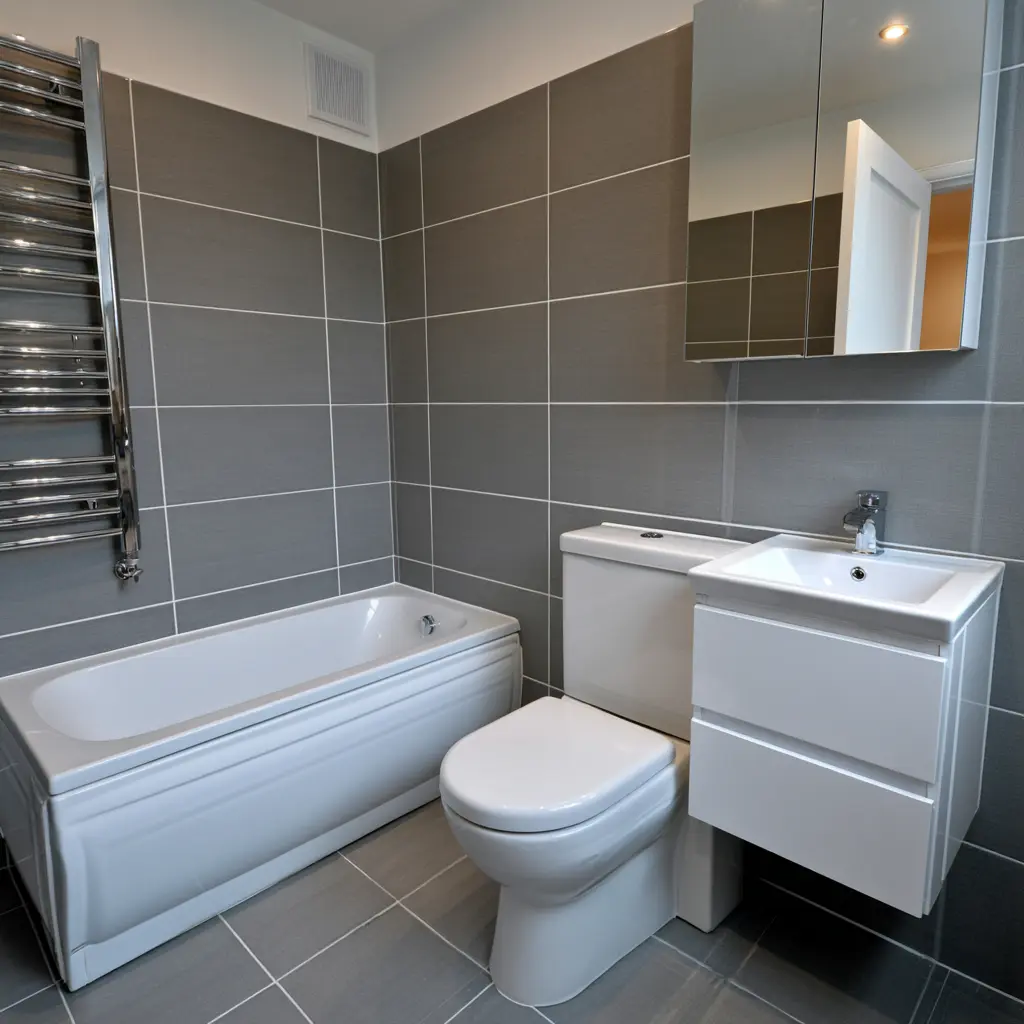
The quote should explain what will be removed and what stays. This may include the old suite, flooring, tiles, panels and unwanted pipe boxing. Ask how the route through the home will be protected and where old materials will be kept before collection. A shared stair or narrow entrance needs planning before the job starts.
Agree who will arrange and pay for waste removal. Do not assume it is included because the installer takes the old fittings out of the room. Clarify who arranges collection and what the price covers. If you want to keep a sound item, tell the team before removal so it can be handled accordingly.
Check walls, floors and waterproofing
New finishes need a sound wall or floor beneath them. The work may involve repairing plaster, replacing damaged boards or preparing an uneven floor. Ask what preparation is included and which parts cannot be assessed until the old bathroom is removed. This is more useful than a general promise that the walls will be made ready.
In shower areas, discuss the complete waterproofing and sealing arrangement. The visible panel or tile is only part of it. The installer should follow the selected system's requirements at corners, joints, pipe openings and tray edges. Ask how any further damage found during removal will be explained and priced before extra work proceeds.
Identify the plumbing and electrical work
The plan should show any changes to hot and cold supplies, waste pipes, the toilet connection and heating. A new shower must suit the available water supply. If a larger shower head or second outlet is chosen, have the complete arrangement checked rather than assuming it will perform like a showroom display.
Electrical items include lights, fans, illuminated mirrors, electric showers and some heating. Appropriate bathroom products and a competent electrician are needed for the work involved. Agree who organises it and which records you will receive. A quote that includes a mirror but excludes its electrical connection is different from a fully fitted price.
Agree the visible finishes
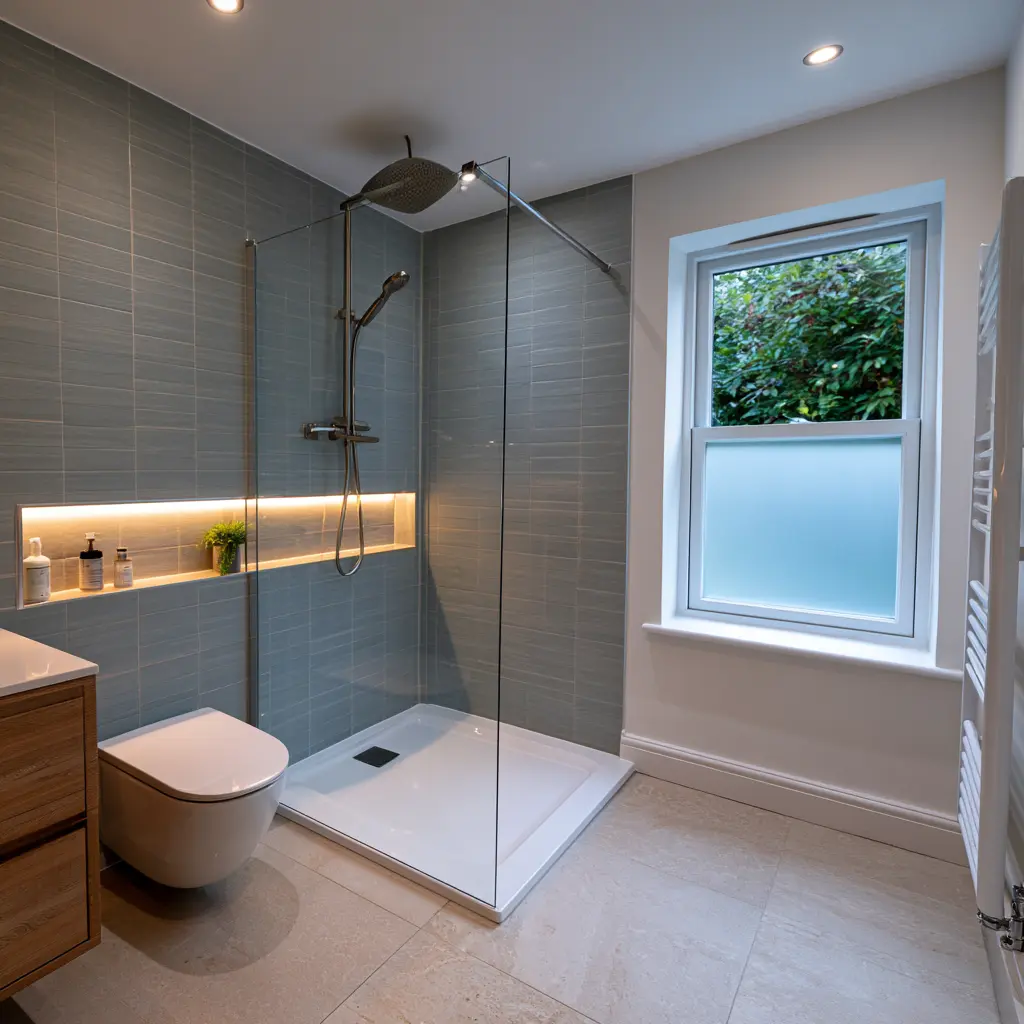
List the wall panels or tiles, flooring, trims, grout or sealant colours, and any painting. Check where each finish stops, especially around the window, ceiling and doorway. If some old surfaces remain, decide what the join between old and new will look like. A drawing or labelled photograph can help explain awkward details.
Storage, mirrors and towel rails also need agreed positions. They should be fitted where they can be reached and used, with suitable support behind the wall finish. A neat bathroom is not just a set of matching products; its shelves, controls and drawers need to work together during an ordinary morning.
Confirm handover and exclusions
Before the room is used, ask for a demonstration of the shower, taps, heating and fan controls. Find out when new sealant or other finishes can be exposed to water. Keep care instructions, product names and relevant installation records together. They help with routine care and identifying a replacement part later.
Finally, read the exclusions and payment arrangements. Check how changes, delays or unavailable products will be handled, and how to report a problem after fitting. Our bathroom renovation service brings design, supply and installation together. The written quote still needs to describe your specific bathroom so you know exactly what you are buying and which decisions remain to be made.
For help with your bathroom, see our bathroom renovations page. Related guide: How Long Does a Bathroom Installation Take?
Every room is different. A measured home appointment is the best way to turn general advice into a design and quote for your room.
Book your home appointment