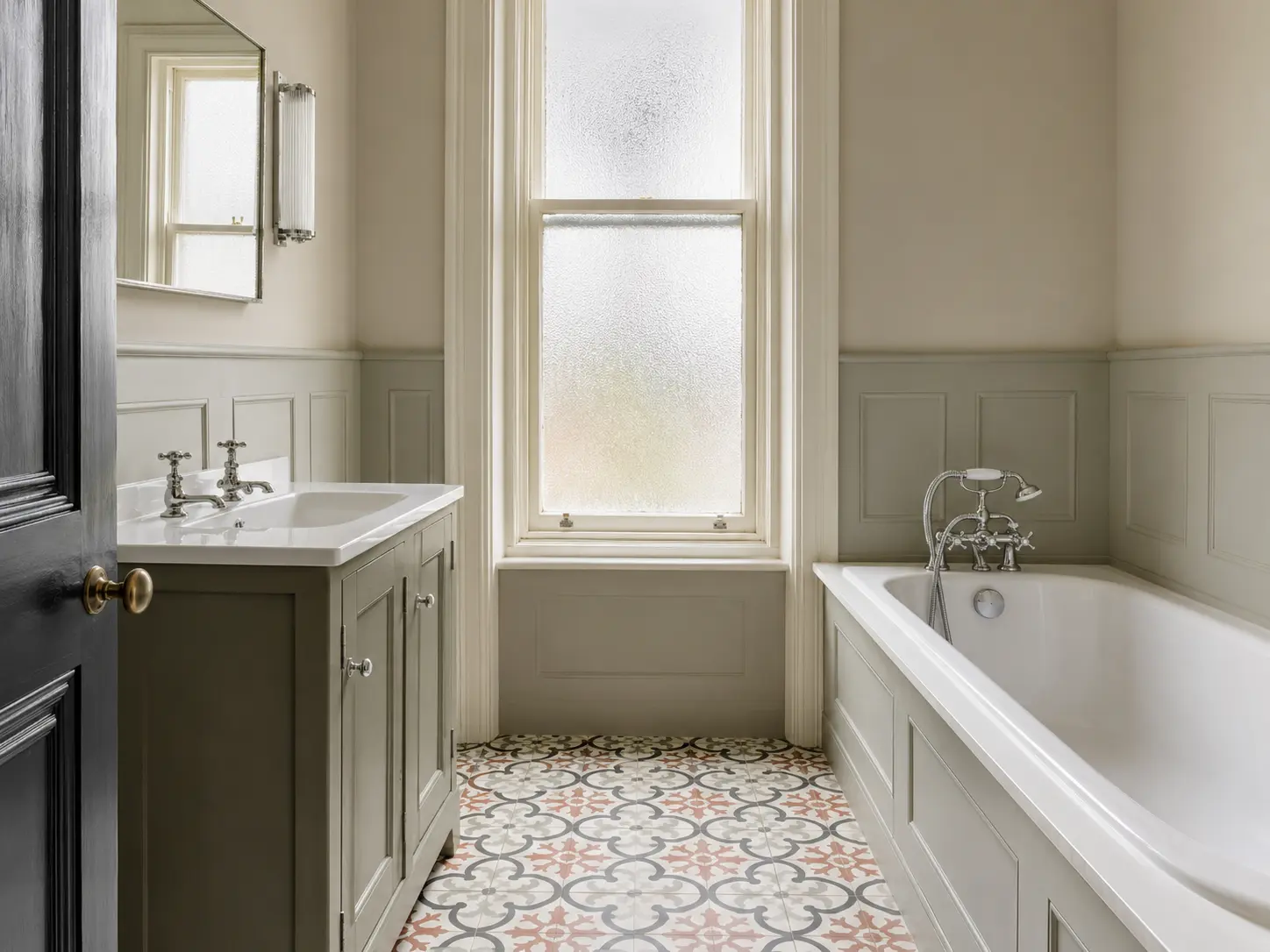
The best style is one that suits your home and the people using the room. You can also mix modern and traditional ideas.
Choose a look you enjoy using every day
Modern and traditional describe the appearance of a bathroom, not how well it works. A modern room might use plain furniture fronts and simple taps. A traditional room might use panelled furniture, framed mirrors and more detailed fittings. Both still need comfortable movement, useful storage and a shower or bath that suits the household.
Start with two or three photographs and identify what you like about them. It may be the cabinet colour, the shape of the bath or the way the wall finish works with the floor. You do not need to copy the whole room. A useful design can take a few of those details and adapt them to your measurements.
Understand the modern choices
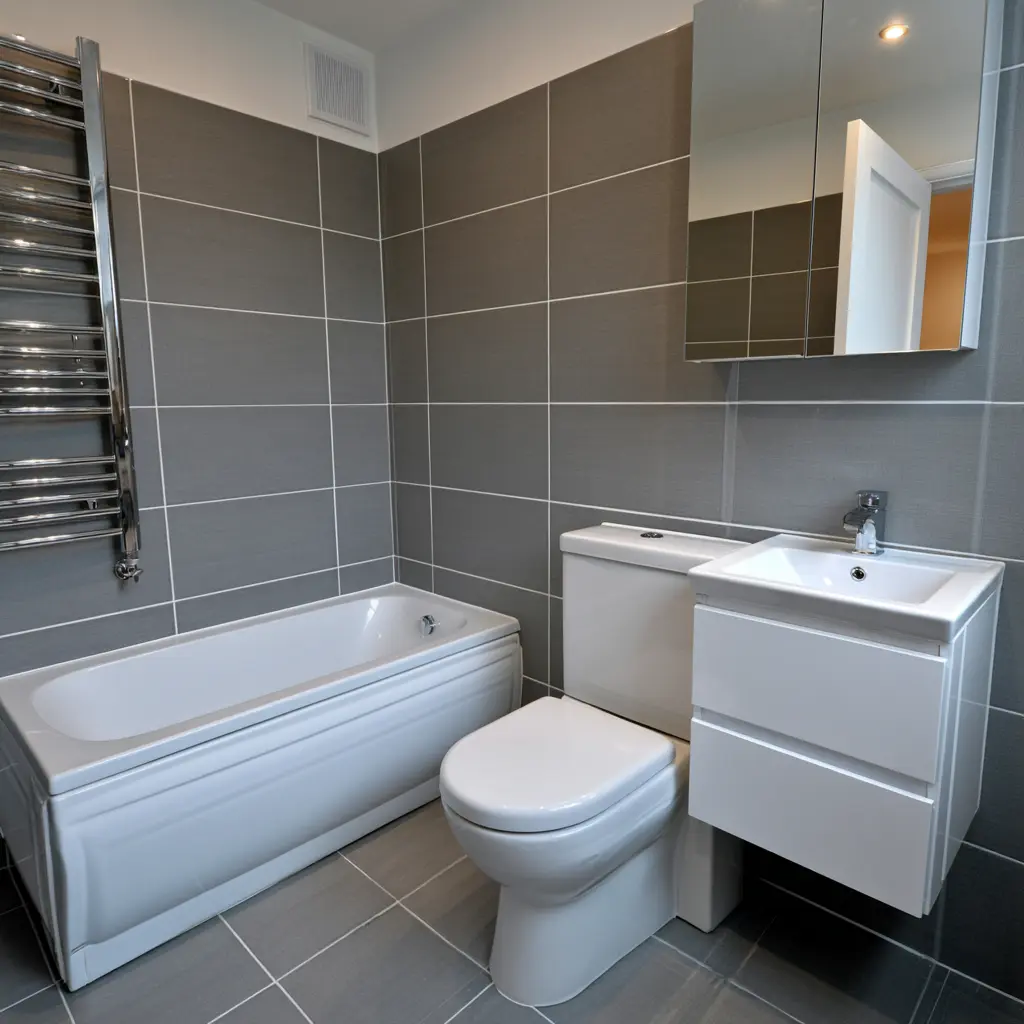
Modern furniture often has fewer decorative edges and a simpler outline. A wall-hung vanity may leave more floor visible, while a floor-standing unit can provide a different storage arrangement. Check the actual inside dimensions and wall support rather than assuming one looks lighter and must therefore be the better choice for a small room.
Colour can keep a modern bathroom welcoming. Wood-effect furniture, a coloured cabinet or a warm neutral wall can work with straightforward fittings. Compare samples together and decide which surface should stand out. A room does not need to be entirely grey or white to have a modern appearance.
Pick traditional details that fit the room
A panelled bath, Shaker-style vanity or crosshead tap can give a bathroom a classic look. Choose the scale carefully. Large decorative furniture can take useful space from the shower or doorway, while smaller traditional fittings may suit an ordinary family bathroom just as well as a larger period room.
A freestanding bath is optional, not a requirement. A fitted bath with a suitable panel can provide traditional detail and a practical place for a shower above. Check the tap position, storage and cleaning access before choosing a bath mainly for its shape. The design should support the way you actually wash.
Keep the layout separate from the style label
Mark out the main fittings and their opening movements before settling all the finishes. Drawers should open without hitting the toilet, and the shower entrance needs space to step through. A room that is comfortable in use can take either modern or traditional details once these basic decisions are right.
If a product you love does not fit, look for the feature that attracted you. A similar colour or door detail may be available in a more suitable size. This is often more useful than squeezing a large cabinet into the plan and accepting an awkward gap that you will deal with every day.
Compare taps, mirrors and metal finishes
Try controls where possible. A small crosshead handle, lever or dial can feel different with wet hands, and someone with limited grip may prefer one arrangement. The selected tap also needs to suit the basin and water supply. Matching the style is only one part of choosing a workable pair.
Metal finishes vary between ranges even when they share a colour name. Compare the shower frame, taps, handles and towel rail together if a close match matters. Include smaller visible items such as the plug fitting and mirror frame. Keep product codes in the quote so substitutions can be checked before installation.
Use lighting and storage to complete the room
A bathroom photograph may show only a towel and soap dish. Your bathroom needs somewhere for bottles, toothbrushes, spare supplies and cleaning items. A traditional cupboard can provide useful storage just as a plain modern drawer can. Check the space inside, including where pipework reduces it.
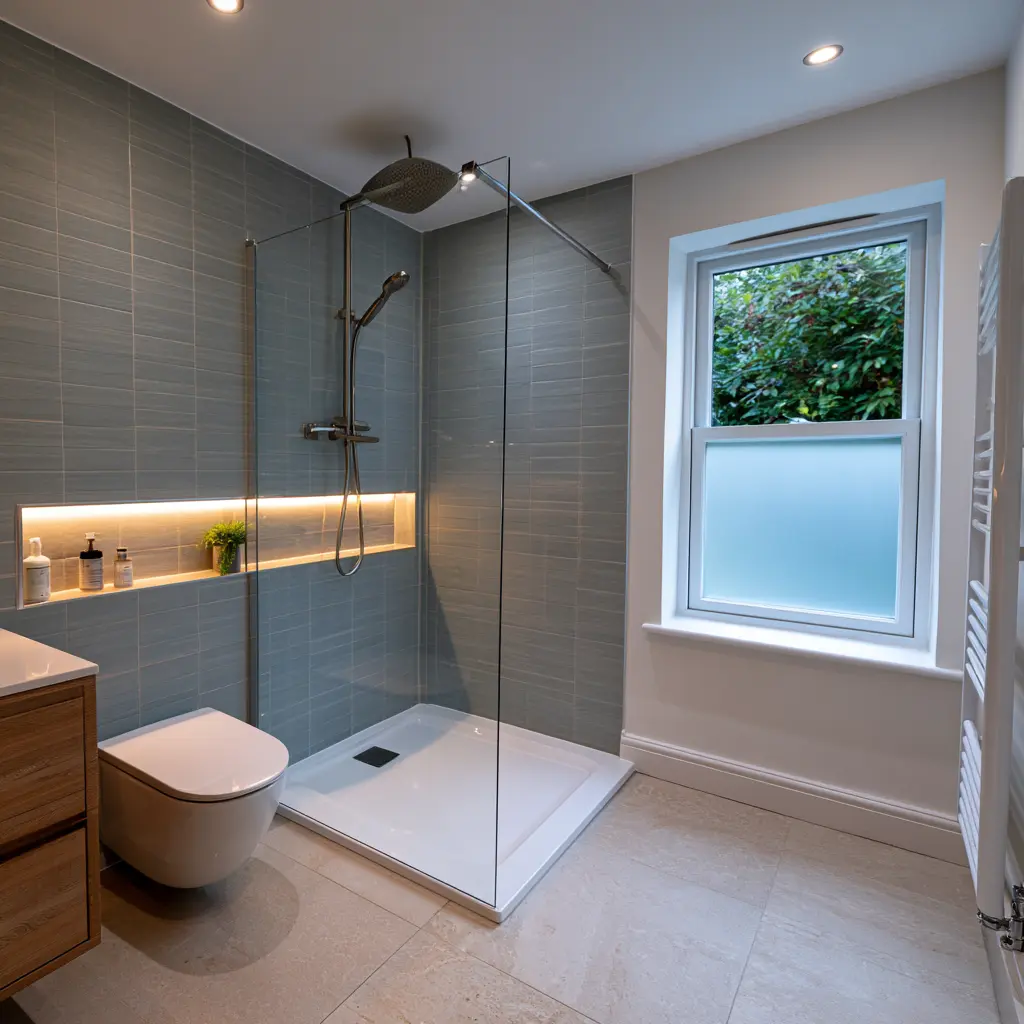
Lighting should help you see at the mirror and move around the room after dark. An attractive pendant or illuminated shelf cannot replace suitable practical light at the basin and shower. Ask an electrician to confirm the equipment and positions. View your colour samples under the planned lighting before making the final choice.
Combine styles without adding too much
A traditional vanity can sit beside a simple glass shower screen, or a modern room can use a warmer metal finish. Choose a few clear details and let the rest of the room support them. Too many competing patterns or finishes can make a compact bathroom feel crowded even when the layout is sensible.
Our modern and traditional bathroom pages show the choices available for a home appointment. Bring the features you like and explain how the room is used. We can then compare layouts, furniture and finishes around your bathroom, rather than forcing the whole room into a style label that does not suit your needs.
For help with your bathroom, see our modern bathrooms page. Related guide: Wet Wall Panels or Bathroom Tiles?
Every room is different. A measured home appointment is the best way to turn general advice into a design and quote for your room.
Book your home appointment