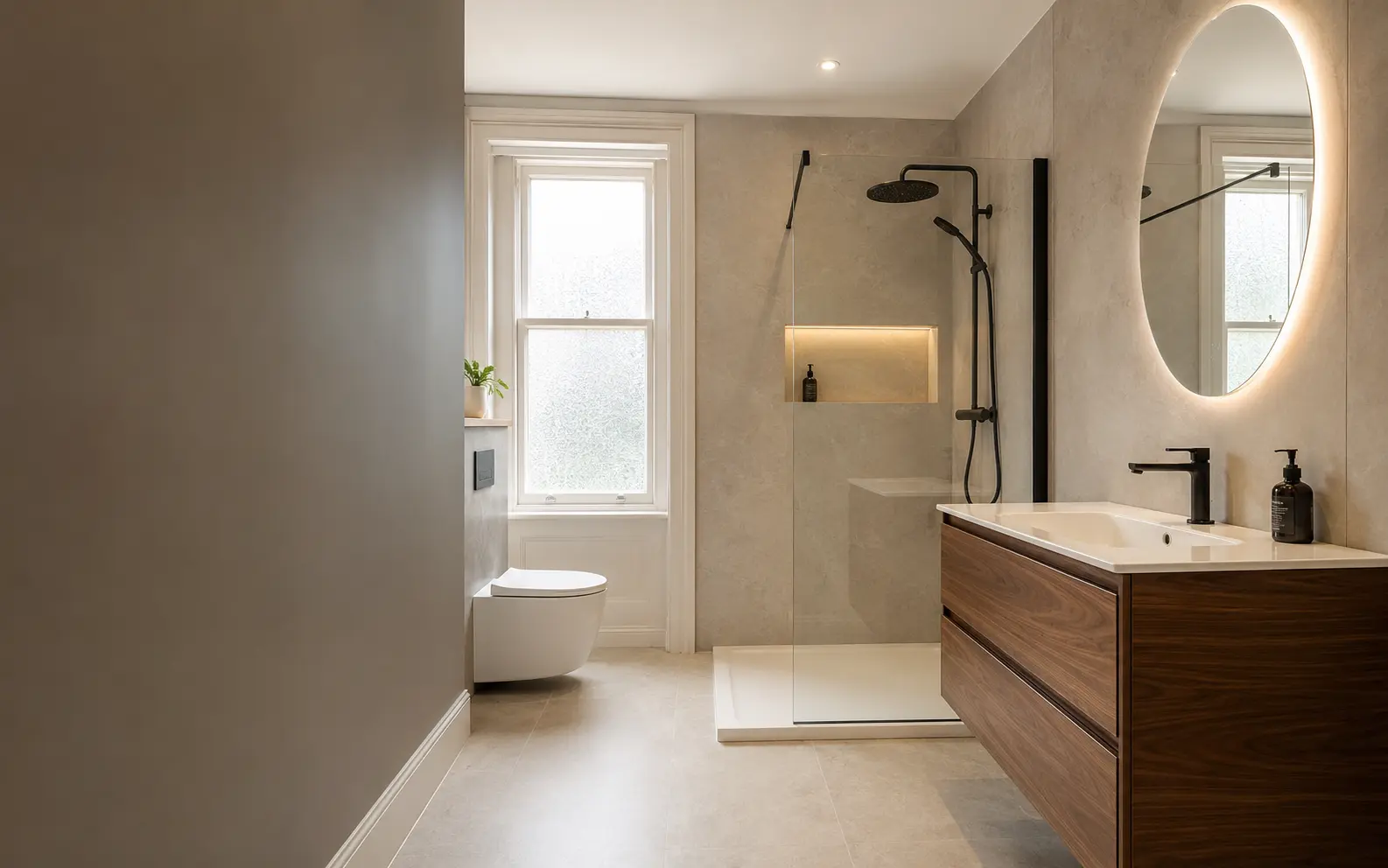
Wall panels and tiles can both look great. The best choice depends on the style you want, the room and how much cleaning you prefer.
Compare the complete wall finish
Wet wall panels and tiles can both provide an attractive bathroom finish when the correct products are fitted properly. The difference is not simply modern versus traditional. Panels offer larger sheets with fewer visible joints, while tiles give many choices of size, pattern and layout. Start with the appearance and cleaning routine you prefer.
Ask to see samples beside your flooring, vanity and taps. A small panel sample may not show the full pattern, and one tile may not show how a design repeats across a wall. Look at several pieces or a larger display where possible. Check the exact product, not just a general colour name or material description.
Understand where panels may help
Large panels can suit shower walls where you want fewer grout lines to clean. The joins, corners and edges still need attention, however. Ask how the selected system is finished around the tray, window and pipe openings. Fewer joints does not mean that the wall has no seals or maintenance needs.
The wall beneath the panels must also be suitable. Some existing surfaces may be usable after preparation, while others need repair or removal. Have the installer explain the method for your room. Do not assume panels can cover any old wall without investigating loose areas, persistent damp or an unresolved leak behind it.
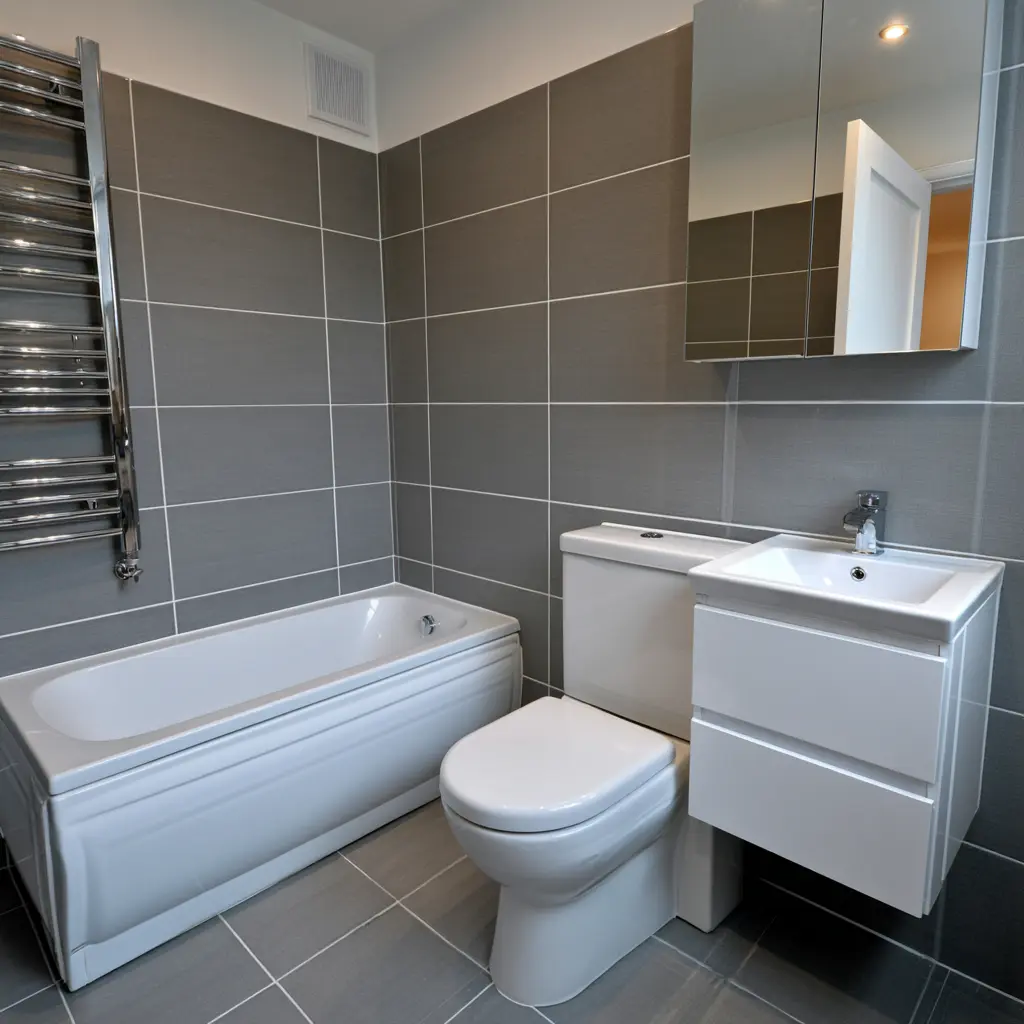
Understand the choices offered by tiles
Tiles allow different patterns, sizes and combinations of wall and floor finishes. A plain tile, patterned feature or smaller format can suit a particular design. The layout needs planning around corners, windows, shelves and niches so narrow cuts or awkward joins do not appear in the most visible places.
Grout colour affects the finished appearance as well as the tile itself. Compare it with the chosen sample and ask how exposed edges will be finished. A low price per square metre does not include every part of the job. Preparation, adhesive, grout, trims, cuts and fitting all contribute to the complete price.
Check waterproofing and support
The visible surface is only part of a shower wall. The wall beneath it, waterproofing where required, fixings and joints need to work together. Ask the installer to explain the selected method and follow the manufacturer's instructions. A waterproof panel face or dense tile does not correct a poorly prepared wall behind it.
Shelves, screens and wall-mounted furniture need suitable support. Plan their positions before the finish goes on. The panel or tile should not be treated as the only supporting material unless the product and fixing method specifically allow that use. Record where important fixings and concealed pipes will sit for future maintenance.
Compare cleaning for the actual products
Read the care instructions before buying. A cleaner suitable for one wall finish may damage another surface or nearby metal fittings. For example, Multipanel publishes specific cleaning guidance for its panels, including the use of a soft cloth and suitable non-abrasive products. Other brands and finishes should be checked separately.
Tiles, grout and natural stone may have different care or sealing requirements. Keep the instructions for the complete installation. Regular suitable cleaning is generally easier to manage than allowing deposits to build up and then trying a strong product without checking. Easy-clean descriptions should never be read as a promise of no cleaning or maintenance.
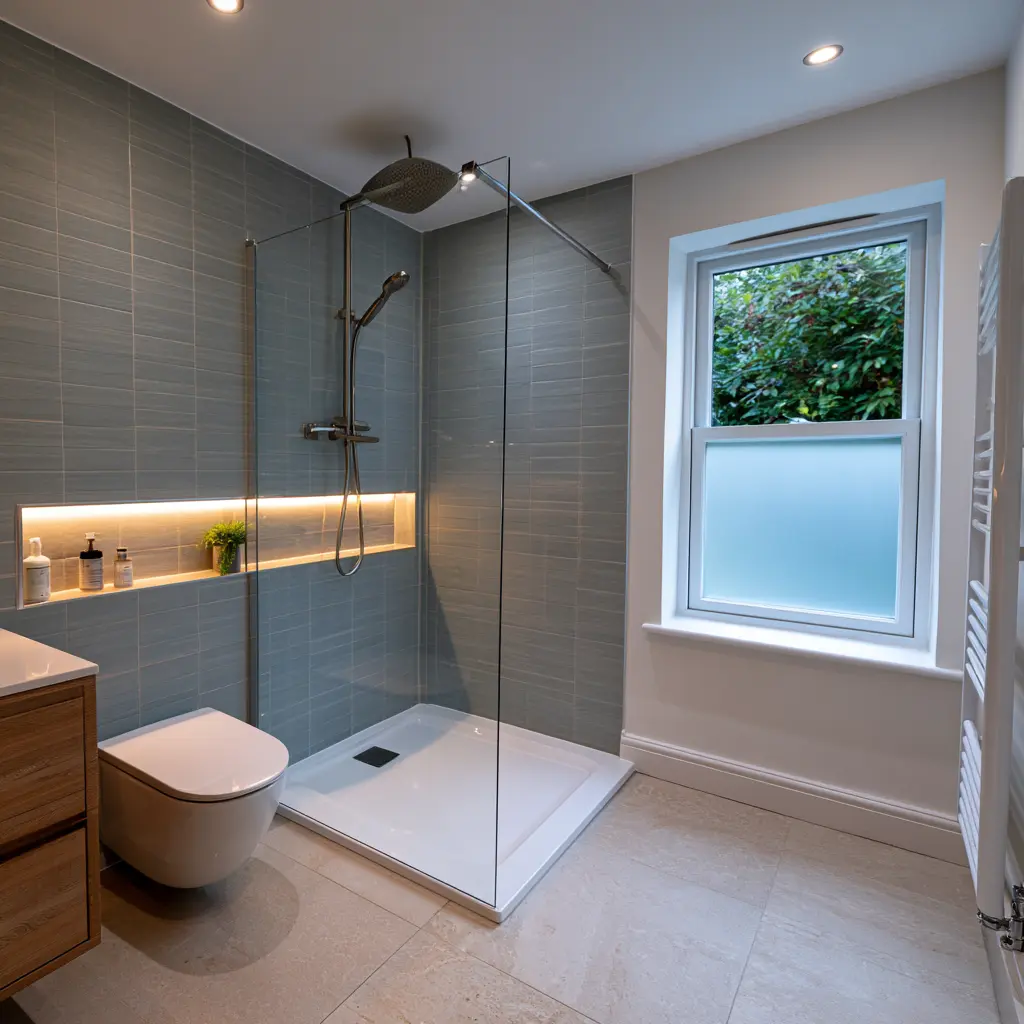
Think about later repairs
Ask how a damaged panel, tile or seal would be replaced and whether spare material should be retained. A replacement tile from a later batch may look different. A large panel may involve a different repair process from a small tile, especially where fittings are fixed through it or its edges meet another surface.
Keep product names, colours and batch information with the bathroom paperwork. Plan access to concealed valves or pipes before they are covered. A removable access panel in the right place can be useful, but it needs to suit the installation. Do not assume every repair can be made from behind the finished wall.
Compare the fitted quote and decide
Ask for both options to include the same preparation, area of coverage, fittings, edge details and waste removal. Panels may be quicker to fit in some rooms, but the condition of the walls and the selected system matter. Tiles may require different cuts or drying time. The actual schedule should follow the agreed installation method.
Our bathroom renovation service can help you compare wall finishes alongside the rest of the room. Bring the samples you prefer and explain how much cleaning you want to manage. Choose the finish that suits your bathroom, budget and care routine, with a written quote that includes the work needed behind and around it.
For help with your bathroom, see our bathroom renovations page. Related guide: Modern vs Traditional Bathrooms: Which Suits Your Home?
Check the instructions for your chosen range. Multipanel’s product and cleaning guidance explains the requirements for its own panels.
Every room is different. A measured home appointment is the best way to turn general advice into a design and quote for your room.
Book your home appointment