
A new bathroom should be easy to live with. Gentle, regular care is usually better than harsh products used occasionally.
Keep the instructions for the products fitted
A bathroom contains several surfaces that may need different care: glass, wall panels, tiles, grout, furniture, flooring and metal fittings. Keep the instructions for the actual products rather than relying on one general bathroom cleaner. A finish that looks like stone or brass may have a coating with its own restrictions.
At handover, ask where those instructions are and how to identify each product. Keep model names, finish codes, receipts and relevant installation records together. They are useful if you need advice, a replacement seal or another spare part later. A clear photograph of an accessible label can help if the paperwork is misplaced.
Follow the waiting times before use
Fresh sealant, grout, adhesive or another finish may need time before water exposure or normal cleaning. Ask the installer when each part of the room can be used. Do not judge readiness only by whether a surface feels dry or a fitting appears complete. The timing depends on the products and conditions involved.
Check whether the toilet or basin can be used while another area is still finishing. If any part must remain unused, keep that instruction clear for everyone in the household. Starting a shower too early can interfere with work that otherwise looks finished. Keep the handover advice with the product information for reference.
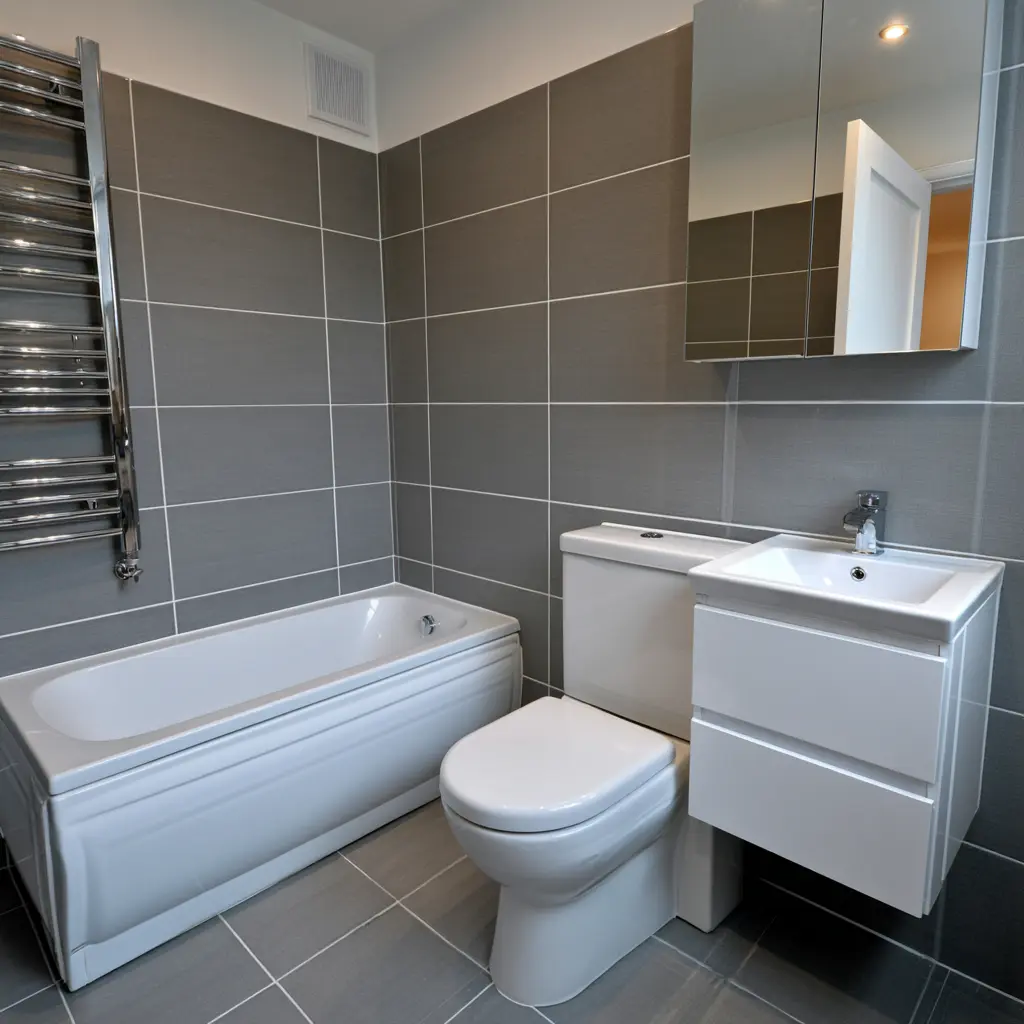
Use suitable cleaning products and cloths
Read the care guidance and cleaner label before applying anything. Avoid assuming that a product suitable for the toilet bowl is also suitable for coated taps, stone or furniture. Follow stated dilution and contact instructions. Test only where the manufacturer recommends, and seek product-specific advice if you are unsure about a mark.
Use clean tools so grit is not dragged over a surface. Keep bathroom cleaning cloths separate from personal items and change or clean them between different tasks. Store chemicals in their original containers according to the label, away from children or pets where relevant. Do not mix cleaning products or combine them to try to make them stronger.
Keep the shower glass and drain accessible
Follow the screen manufacturer's instructions for wiping or cleaning glass and its coating. The hinges, brackets and lower seals need appropriate care too. If the door becomes difficult to move or a seal changes position, identify the cause instead of forcing it or adding a lubricant that may not suit the product.
Clean the accessible drain cover or hair catcher as directed. A slow drain that repeatedly returns after routine care may need checking. Avoid improvised dismantling or using a strong chemical without confirming suitability for the system. Keep the drain model and instructions so a plumber can identify parts if further work is needed.
Wipe standing water from furniture and floors
Bathroom furniture is designed for its intended conditions, but that does not mean every joint can remain wet indefinitely. Wipe splashes from vulnerable edges as the care instructions advise. Check the area beneath the basin and around the shower after use, especially if water repeatedly collects in the same place.
A persistent wet patch deserves investigation. It may come from splashing, a loose connection or a leaking seal. Dry the area and explain when it becomes wet again. Do not simply cover it with a mat or stored items. Finding the source early can make the problem easier to explain and prevent it being hidden from view.

Use the fan and heating as explained
Follow the normal ventilation controls explained at handover. A timer or moisture sensor may continue operating after washing, so find out what behaviour is expected. Keep accessible grilles clear and clean them according to the instructions. Electrical repairs or changes should be handled by an appropriate professional.
Hang towels so they have room to dry, and keep planned air routes clear. Heating helps comfort but does not replace the need to remove damp air. If condensation or odour remains a problem, ask for the ventilation arrangement to be checked. New surfaces should not be treated as a cure for every moisture issue in the room.
Notice changes and report them clearly
Look out for loose handles, changing water temperature, unusual noises, cracked joints or water appearing outside the normal wet area. Note when the issue occurs and take a photograph if useful. Contact the relevant installer or supplier with the product details rather than attempting a repair that could damage the fitting or affect its warranty.
Our bathroom renovation page explains the service if you are still planning a new room. For a bathroom already fitted, the first reference is its own handover and care information. A manageable routine, clear access for maintenance and prompt attention to changes will help you look after the actual products you chose, without relying on broad promises that any bathroom is maintenance-free.
For help with your bathroom, see our bathroom renovations page. Related guide: How Long Does a Bathroom Installation Take?
Every room is different. A measured home appointment is the best way to turn general advice into a design and quote for your room.
Book your home appointment